2012 – Batch 01 – American Pale Ale

First brew-day of the year and overdue. Christmas & the New Year had a dramatic effect on stocks. Of the two kegs of IPA & two of porter that I brewed just before the holidays, we’re left with a scant few pints of the porter that I’ll need to make last till today’s batch is ready. Oh well, I guess it’s an opportunity to “study” some commercial craft brews.

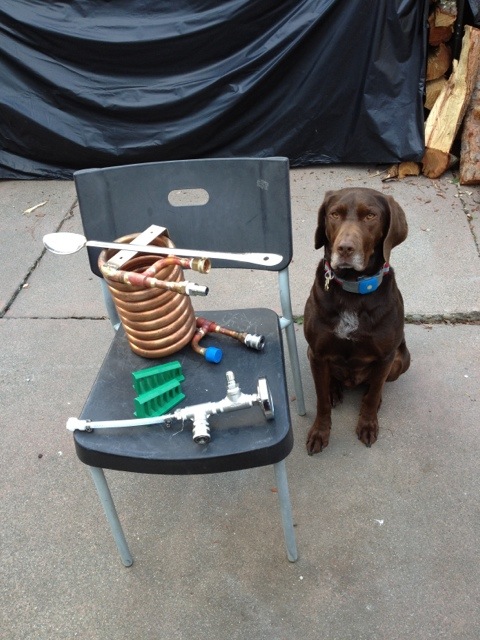
As this is the first brew-day since Santa visited it’s my first chance to play with some of the presents he gave me:
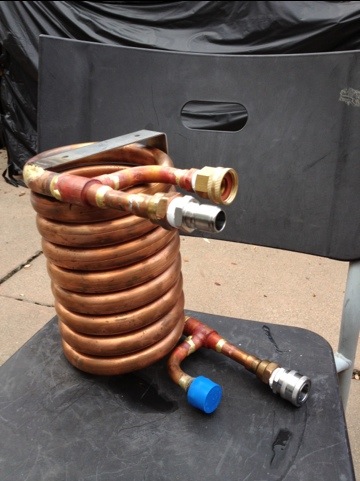
20120115-152704.jpg
Counter-flow wort chiller.

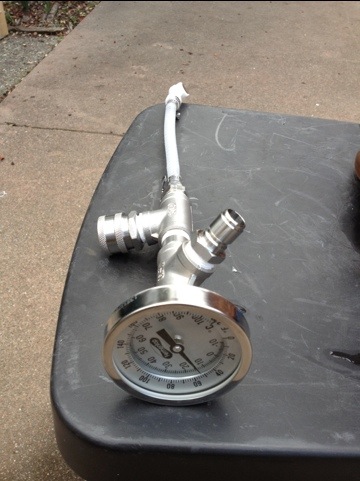
20120115-152715.jpg
Inline oxygenator

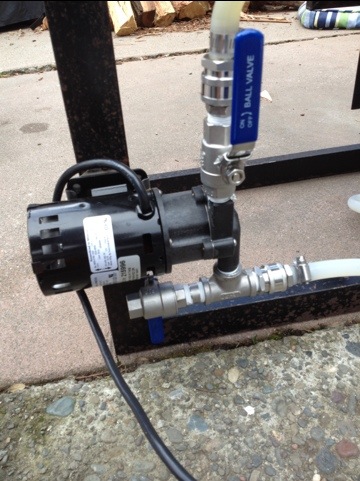
20120115-152725.jpg
New pump.

I’m not expecting any particular problems but the day always ends up running long when I have new toys. Hopefully the new wort chiller will help shorten the process in the long run as it should speed up that part of the process compared to an immersion chiller. I’m hoping that it will save some water as well, though I don’t tend to have any water wasted as I reuse the water from chilling for cleaning and rinsing the kettle & mash tun.

As an experimental new brew, I’ve scaled back my IPA recipe to make a more quaffable but still aromatically hoppy American pale ale. I had planned to use solely Amarillo hops but MoreBeer was out of stock on them as they’re still waiting for their supply from the 2011 harvest to arrive. I’ve gone with Columbus for bittering & Cascade for flavor/aroma. If they have Amarillo or Centennial in stock by next week then I dry-hop with one of them, otherwise I’ll go with more Cascade.
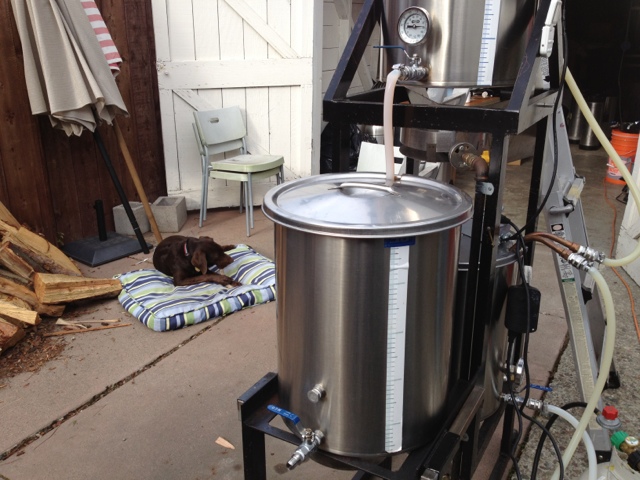
Specing The ‘Brewery’

I’m was planning on buying the kit to start brewing soon so I’ve been trying to decide what equipment I need to buy. You can pick up the most basic brewing kits for around $60 but they’re really only designed for the basic production of extract kit brews. If you want to brew ‘all-grain’ rather than from extract you require some type of mashing system to extract the sugars & other good stuff from the grain. Home-brew mashing system range from a plastic bucket with a false bottom through converted water coolers all the way up to brewing sculptures – miniature versions of industrial brewing systems. If you read the various online brewing forums, most of the old hands recommend starting with a basic system as part of your brewing apprenticeship but I’ve decided this is not for me and to go straight to the more advanced system. I’ll eventually need to upgrade to a brewing sculpture so it seems pointless to waste money on equipment that I’ll soon outgrow.

I’ve been checking out every homebrew equipment supplier I could find online to see what is available and a company called Beer, Beer & More Beer (aka B3) stands out as having the best kit. Luckily they’re a based in Concord which is only an hour away so last weekend Ealish & I took a trip up there to take a look at things. They’re a very friendly & helpful bunch and were happy to open up their workshop to show me some brewing sculptures under construction. I left Concord without buying anything but with a definite idea of what I wanted. Unfortunately I was so absorbed by what I was seeing that I forgot to get the name of the guy who was helping me.

Ealish & discussed things at home and on Tuesday I rang B3 to speak to their Brewing Sculpture guy James Cossart. After a brief discussion I put my name down on the list to get a B3-1550 system. I haven’t decided on all the options I’m getting yet, but unfortunately there is a two month waiting list at the moment so I can pop up there in a couple of weeks to spec it all out completely.

It’s frustrating that I’ll have to wait that long to get started but I guess in the meantime I can keep reading all the books on brewing that I’ve collected and studying the work of established micro-breweries. Especially the latter. In fact I must study some more right now.

‘Beer School’

Following on from Brewing Up A Business I continued my reading on the beer business. Beer School is written by Steve Hindy & Tom Potter, founders of the Brooklyn Brewery. Whilst still a business book it’s a lighter read than Brewing Up A Business with a more anecdotal writing style. Having faced visits from the mob & armed robberies they certainly have anecdotes to tell. Still, they use all their stories to illustrate business principles. Hindy & Potter are both good writers and their method of each chapter being written by one of them with the conclusion being added by the other works well.

The initial path that the Hindy & Potter chose of having their beer contract brewed for them is not the path I’d like to take. Whether or not it’s advantageous commercially or not I’d prefer to start smaller, initially brewing the beer myself and growing gradually. I also prefer the method used by many of linking the brewery to a brew pub. Twin revenue streams make financial sense and the ability to interact with your customers on a nightly basis is not only invaluable but should also be rewarding.

If you are reading from the beer business perspective then you should read both Brewing Up A Business and Beer School but if you’re reading purely from an interest in beer then you’ll probably find Beer School more a more fun read. Having just read two books from people who have succeeded in starting breweries I could benefit from reading about someone who failed but most people tend not to trumpet their failures.

Now back to the brew in front of me.

‘Brewing Up A Business’

Picture of the bookI recently read Brewing Up A Business written by Sam Calagione, the founder of the Dogfish Head Craft Brewery. Dogfish Head is an innovative micro brewery based in Delaware that professes to brew ‘Off-centered ales, for off-centered people’. They are known for making strong beers with bold flavours.

I’m reading all the beer books I can get my hands on at the moment as research for ‘the plan’. Brewing Up A Business is the first book I’ve read that deals with the business side of brewing. It is clear in reading the book that Sam is very passionate about his company and the beer that they produce. His book however is predominantly a business book that just happens to use stories from a brewery for it’s real life examples. Whilst not exclusively about starting a brewery its advice is definitely aimed at entrepreneurs starting a business in a field that they are passionate about. There are a lot of lessons that I can take from the book but there would be just a many if he had instead started a company making chocolates. The greatest thing it gives me though is inspiration. That it is possible.

The book did also give the thirst for some Dogfish Head ale but unfortunately they’re not distributed in California so I’ll have to manage with something else. I wonder what I’ve got in the fridge.

In The Beginning

So this is my blog. It’s purpose is to record the long journey towards having my own microbrewery somewhere in the world. I’ll write not just about my progress with homebrewing as I work to develop my own style but also about the beers that inspire me to do this.